
Table of Contents
1. Introduction: Health Science in Plain Words
2. Health Science Definition: What Does It Mean?
3. A Brief History of Health Science
4. Why Health Science Matters in Everyday Life
5. The Main Branches of Health Science
6. The Core Skills Behind Health Science
8. Health Science Degrees and Study Paths
9. Career Options in Health Science
10. Health Science and the Big Health Challenges
11. Technology and the Future of Health Science
12. How to Read Health News Like a Scientist
13. Social Determinants of Health: Why Your Environment Matters
15. A Day in the Life: Five Health Science Professionals
16. Health Science in Developing Regions and South Asia
17. Common Myths About Health Science
18. How to Start Your Health Science Journey
19. Frequently Asked Questions
Introduction: What is Health Science in Plain Words
Every time you take a vaccine, check a food label, read a blood pressure number, or follow advice to wash your hands, you are using the results of health science. It is one of the most important and most practical fields of study in the world, yet many people cannot easily explain what it actually is. Is it medicine? Is it nutrition? Is it a degree you take before nursing school? The honest answer is that it is all of these and more.
Health science is the study of how the human body works, why people become ill, and how we can prevent disease, treat it, and help people live longer, healthier lives. It combines biology, chemistry, medicine, nutrition, psychology, statistics, and social science. Its goal is not only to cure the sick but also to keep healthy people healthy and to reduce differences in health between communities.
In this guide we explain what health science means, how it developed, its major branches, how research turns into everyday advice, what you can study, which careers it can lead to, and where the field is heading. Whether you are a student choosing a degree, a parent curious about how medical advice is made, or a reader who wants to understand health news better, you will find clear answers here.
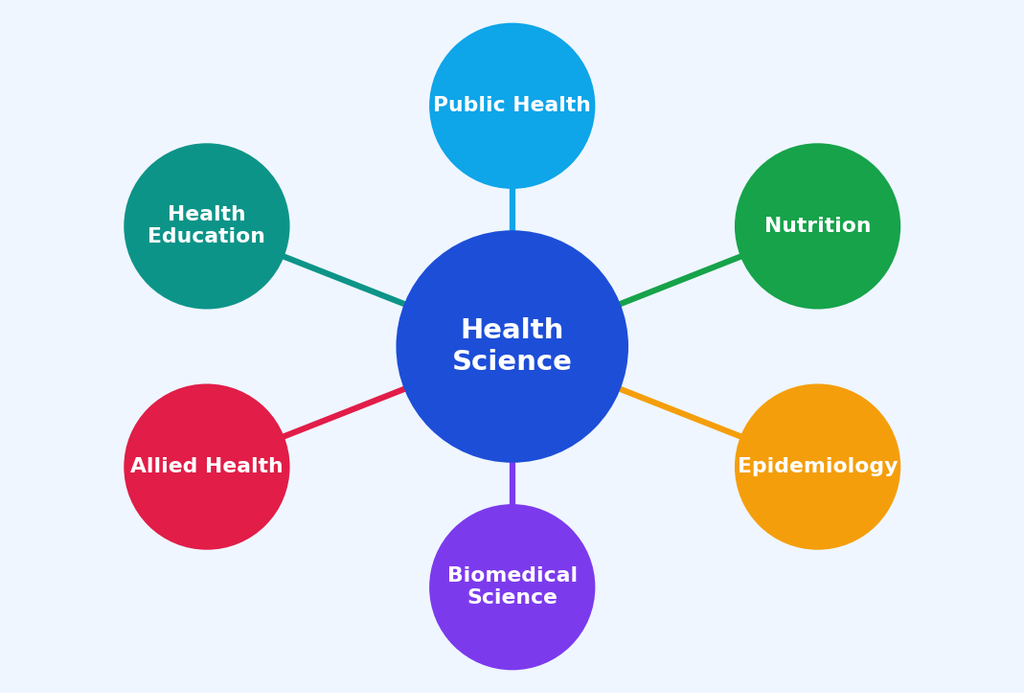
Figure 1: The main branches of health science.
If you enjoy practical applications, you may also like our guide to healthy breakfast ideas, which turns nutrition science into simple meals, and our article on what your nipples say about your health, a good example of body awareness backed by medical evidence.
Health Science Definition: What Does It Mean?
The term health science is an umbrella. It describes all the scientific disciplines that study health, illness, and healthcare. According to major institutions such as the World Health Organization, health is not only the absence of disease. It is a state of complete physical, mental, and social well-being. Health science follows that broad view.
Health science versus medicine
Medicine is a branch of health science focused on diagnosing and treating illness in individuals. Health science is wider. It includes the doctor in the clinic, but also the nutritionist who designs a school meal plan, the epidemiologist tracking an outbreak, the lab scientist developing a test, and the policy expert deciding how to fund vaccination programs.
Health science versus public health
Public health is one major part of health science. It concentrates on the health of populations rather than individuals. For example, a doctor treats one patient with diabetes, while a public health team designs a program to reduce diabetes in an entire city.
Health science versus life science
Life sciences such as biology or microbiology study living organisms in general. Health science applies this knowledge specifically to human health and wellbeing.
The simple formula
A helpful way to remember the field is this: understand the body, understand the disease, protect the population, and improve care. Every branch of health science fits into at least one of these four goals.
A Brief History of Health Science
People have always asked why they get sick. Ancient physicians in Egypt, Greece, India, China, and the Islamic world recorded symptoms, tested herbs, and wrote early medical texts. Many of their observations laid the foundation for modern ideas, even when their explanations were different from ours.
From observation to evidence
A major turning point came when physicians began counting and comparing. In the nineteenth century, careful tracking of cholera cases in London led to the idea that contaminated water spread the disease. This is often described as the birth of modern epidemiology. Around the same time, scientists such as Louis Pasteur and Robert Koch established germ theory, showing that microorganisms cause many infections.
The twentieth century
The twentieth century brought antibiotics, widespread vaccination, safe blood transfusion, X-rays, and the first clinical trials. The discovery of DNA’s structure opened the door to modern genetics. Large studies linked smoking to lung cancer and high cholesterol to heart disease, and public health campaigns changed behavior on a massive scale.
The twenty-first century
Today health science is driven by data. Genome sequencing, wearable devices, medical imaging, and artificial intelligence allow researchers to study health at a scale that was impossible a generation ago. The global response to modern pandemics showed both the power and the challenges of the field: vaccines were developed at record speed, but sharing accurate information and ensuring fair access remained difficult.
Why Health Science Matters in Everyday Life
It is easy to treat health science as something that happens in laboratories and hospitals. In reality, it shapes nearly every routine in your day.
- The water you drink is tested and treated using standards set by scientists.
- The food you buy carries labels based on nutrition research. Guidance from groups such as the Harvard Nutrition Source helps people understand what a balanced diet looks like.
- The medicines you take go through trials to prove they work and are safe.
- Your child’s vaccination schedule is built on decades of evidence.
- Seat belts, helmets, and smoke alarms exist because injury researchers measured what saves lives.
- Your workplace follows ergonomic and safety rules based on occupational health research.
Health science also saves money. Preventing illness is usually cheaper than treating it, so investments in screening, vaccination, and healthy environments produce large returns for families and governments.
Life expectancy and quality of life
Global life expectancy has risen dramatically over the past century. Cleaner water, better nutrition, immunization, and effective treatment for infections and chronic disease all contributed. The aim of modern health science is not only to add years to life but to add life to years, helping people stay independent and active for longer.
The Main Branches of Health Science
Health science is a large field, so it is divided into branches. The boundaries overlap, and many professionals work across several. Here are the major areas.
1. Public health
Public health focuses on preventing disease and promoting health in groups of people. Its workers design vaccination campaigns, clean-water programs, tobacco control, road-safety measures, and health education. They also respond to outbreaks and natural disasters. Core tools include surveillance, policy, and community engagement.
2. Epidemiology
Epidemiology is often called the basic science of public health. Epidemiologists study how often diseases occur, who they affect, and what causes them. They use statistics to identify risk factors, follow outbreaks, and evaluate whether interventions work. When health officials announce that a food is linked to an outbreak, an epidemiologist did the detective work.
3. Nutrition and dietetics
Nutrition science studies how food and drink affect growth, disease, and performance. Dietitians apply that knowledge to help individuals and communities eat better, whether managing diabetes, supporting an athlete, or planning school meals. Practical outputs include food guides and meal ideas such as our healthy breakfast ideas.
4. Biomedical science
Biomedical scientists investigate the biological mechanisms of disease. They work in laboratories studying cells, genes, proteins, and microbes. Their discoveries lead to new diagnostic tests, drugs, and vaccines. Fields include microbiology, immunology, genetics, pharmacology, and biochemistry.
5. Clinical sciences and medicine
Clinical science covers the diagnosis and treatment of patients. It includes medicine, nursing, dentistry, pharmacy, and the many specialties built on them. Clinical research tests new treatments through carefully designed trials.
6. Allied health professions
Allied health covers a large group of trained professionals who support diagnosis, treatment, and rehabilitation, such as physiotherapists, occupational therapists, radiographers, speech therapists, medical laboratory technologists, and paramedics. In many health systems, allied health professionals make up a major portion of the workforce.
7. Mental and behavioral health
This area studies psychological well-being, mental illness, and the behaviors that influence health. Psychologists, counselors, and psychiatrists work with individuals, while researchers study how stress, sleep, relationships, and social conditions shape mental health.
8. Health education and promotion
Health educators teach people how to make healthier choices and navigate the healthcare system. They design programs for schools, workplaces, and communities, and use communication research to make messages clear and trusted.
9. Environmental and occupational health
This branch studies how air, water, chemicals, noise, climate, and working conditions affect health. It supports safer workplaces and cleaner communities.
10. Health informatics and data science
Health informatics uses information technology and data analysis to improve care, from electronic medical records to prediction models that identify patients at risk. It is one of the fastest-growing areas.
11. Health policy and management
Policy specialists and managers shape how health services are funded, organized, and delivered. They study cost, access, quality, and fairness.
The Core Skills Behind Health Science
Whatever branch you choose, a few skills show up again and again.
- Scientific thinking: Asking clear questions, testing ideas, and following evidence.
- Statistics: Understanding risk, probability, and what a study result truly shows.
- Communication: Explaining complex information clearly to patients, colleagues, and the public.
- Ethics: Respecting privacy, consent, and fairness.
- Critical appraisal: Judging whether a study or news story is reliable.
- Teamwork: Health problems rarely have one-person solutions.
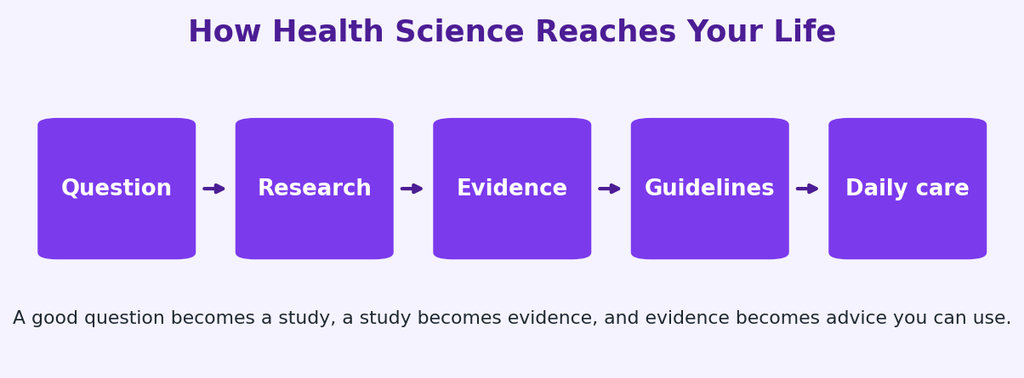
Figure 2: How a research question becomes everyday health advice.
How Health Research Works
Understanding how research is done helps you interpret health headlines. Studies come in different designs, each with strengths and limits.
Laboratory and animal studies
Early research often happens in cells or animals. These studies explain mechanisms but cannot guarantee the same result in people.
Observational studies
Researchers observe groups of people without assigning treatments. Cohort studies follow people over time, while case-control studies compare people with and without a disease. They are valuable for spotting patterns, but they cannot prove cause by themselves because other factors may explain the result.
Randomized controlled trials
In a randomized controlled trial, participants are assigned by chance to receive a treatment or a comparison, such as a placebo. Random assignment helps balance other factors, so these trials are considered the gold standard for testing whether a treatment works.
Systematic reviews and meta-analyses
These combine results from many studies, giving a more complete picture than any single paper. Good guidelines are built on such reviews.
Peer review and replication
Before publication, other experts examine a study. Findings are more trustworthy when other teams repeat them with similar results.
Correlation is not causation
One of the most important lessons in health science is that two things occurring together does not mean one causes the other. Ice cream sales and sunburn both rise in summer, but ice cream does not cause sunburn. Careful design and analysis are needed to separate real causes from coincidence.
Health Science Degrees and Study Paths
There are several ways to enter the field, depending on your interests and goals.
Certificates and diplomas
Short programs prepare students for roles such as medical assistant, laboratory technician, or community health worker. They are a quick way to start working and can later be credited toward a degree.
Bachelor’s degree in health science
A bachelor’s degree usually takes three to four years. Coursework often includes anatomy, physiology, biology, chemistry, nutrition, epidemiology, statistics, health ethics, and public health. Many programs let you specialize in areas such as nutrition, health promotion, or pre-clinical preparation. The degree is popular because it keeps career options open: graduates may go directly into health roles or continue to professional programs in medicine, nursing, physiotherapy, dentistry, pharmacy, or physician assistant studies.
Master’s degrees
Master’s programs such as Master of Public Health (MPH), Master of Science in Health Informatics, Nutrition, or Epidemiology provide deeper expertise and open leadership and research roles.
Doctoral and professional degrees
A PhD prepares you for independent research and university teaching. Professional doctorates such as MD, DDS, PharmD, or DPT lead to clinical practice.
How to choose
- Do you enjoy laboratory work, working with people, or analyzing data?
- Do you want to treat individuals or improve whole communities?
- Are you planning further study in a clinical profession?
- What are the licensing requirements in your country?
- Does the program offer practical placements or internships?
Always check that the program is accredited or recognized in the country where you plan to work.
Career Options in Health Science
One of the biggest attractions of health science is the variety of careers. Roles differ in training, pay, and daily work, but all contribute to wellbeing.
Roles close to patients
- Nurse or midwife: Provides direct care, education, and support.
- Physiotherapist: Helps people recover movement and manage pain.
- Occupational therapist: Helps people regain independence in daily tasks.
- Radiographer: Performs imaging such as X-rays, CT, and MRI.
- Paramedic: Provides emergency care outside the hospital.
- Dietitian: Provides individual nutrition therapy.
Roles in laboratories and research
- Medical laboratory scientist: Runs tests that help diagnose disease.
- Clinical research coordinator: Runs trials and ensures safety and quality.
- Biomedical researcher: Studies the mechanisms of disease and develops new treatments.
- Pharmacologist: Studies how drugs act and ensures their safety.
Roles in communities and policy
- Public health officer: Plans and runs prevention programs.
- Epidemiologist: Tracks and analyzes disease patterns.
- Health educator: Teaches communities about healthy behavior.
- Health policy analyst: Evaluates and recommends health policies.
- Environmental health officer: Inspects and improves environmental conditions.
Roles in data and technology
- Health informatics specialist: Manages and analyzes health information systems.
- Biostatistician: Designs studies and analyzes data.
- Digital health developer: Builds apps and tools for care and wellness.
Roles in management and business
- Hospital or clinic manager: Oversees operations and quality.
- Healthcare consultant: Advises organizations on performance.
- Medical writer or science communicator: Translates complex science into clear content.
Salary and demand
Salaries vary widely by country, role, and experience. Clinical and technical roles with licensing generally pay more than entry-level support roles, while senior managers and specialists earn the most. Across the world, aging populations, chronic disease, and new technology are increasing demand for health workers, so job prospects are generally strong. For current local figures, check national labor statistics and professional bodies in your country.
Health Science and the Big Health Challenges
Health science does not stand still. It is constantly adapting to new problems. Here are some of the major challenges today.
Non-communicable diseases
Heart disease, stroke, cancer, diabetes, and chronic respiratory disease cause most deaths worldwide. Many are linked to modifiable factors such as diet, physical activity, tobacco, and alcohol. Prevention and early detection are therefore central. The Centers for Disease Control and Prevention offers many resources on nutrition and chronic disease prevention.
Infectious diseases and pandemics
Infectious diseases continue to threaten health, especially where sanitation and healthcare access are limited. Surveillance, vaccination, and rapid response systems are essential, as are efforts to fight antimicrobial resistance.
Mental health
Depression, anxiety, and other conditions affect hundreds of millions of people. Stigma and limited services remain barriers. Research is expanding on therapy, community support, and prevention.
Aging populations
As people live longer, health systems must support dementia care, mobility, and long-term conditions, while researching how to stay healthy into older age.
Health inequality
Income, education, geography, and gender strongly influence who becomes ill and who receives care. Reducing these gaps is a central goal of modern health science.
Climate and environment
Heat waves, air pollution, floods, and changing disease patterns have direct effects on health, creating new roles for environmental health experts.
Technology and the Future of Health Science
The next decades will bring major changes to the field.
- Artificial intelligence: Algorithms are already helping read scans, predict risk, and speed up drug discovery. Human oversight remains vital to ensure safety and fairness.
- Genomics and personalized medicine: Genetic information can guide screening and treatment for individuals.
- Wearables and remote monitoring: Smartwatches and home devices track heart rate, sleep, and glucose, allowing earlier action.
- Telehealth: Video consultations improve access for rural and mobile populations.
- Precision public health: Detailed data help target programs where they are needed most.
- New vaccines and therapies: Advances such as mRNA technology and gene therapy open new possibilities.
With these advances come questions about privacy, bias, and cost. Health science therefore also includes ethics and law, not only technology.
How to Read Health News Like a Scientist
Health headlines can be confusing, exaggerated, or contradictory. A few habits can help you separate useful information from noise.
- Check the source. Is it from a reputable institution, a peer-reviewed journal, or a recognized health body?
- Look at the study type. A randomized trial or systematic review is stronger evidence than a single small study.
- Ask who was studied. Results from mice or a narrow group may not apply to you.
- Beware of relative risk. A risk that doubles from 1 in 10,000 to 2 in 10,000 is still small.
- Distinguish correlation from causation.
- Look for conflicts of interest. Who funded the study?
- Seek a second opinion. Compare with other reliable sources before changing your health decisions.
Trusted starting points include WHO, CDC, and the National Institutes of Health.
Examples of science turning into advice
Consider breakfast. Researchers have studied how protein, fiber, and sugar content affect fullness and energy. Dietitians combine such findings into easy suggestions, such as the ideas in our healthy breakfast ideas guide. Or consider breast health: clinical studies on screening and early signs lead to practical guidance such as the one in what your nipples say about your health. Both are examples of evidence turned into everyday action.
Social Determinants of Health: Why Your Environment Matters
One of the most important ideas in modern health science is that health is shaped by far more than medical care. Researchers describe the conditions in which people are born, grow, work, and age as the social determinants of health. These include income, education, housing, safe neighborhoods, clean water, access to nutritious food, working conditions, and social support.
Consider two people with the same illness. One lives near a clinic, has stable income, and can afford nutritious food and medicine. The other lives far from services, works long hours in an unsafe job, and cannot afford regular checkups. Even with identical biology, their outcomes may be very different. This is why health science works closely with economics, sociology, and urban planning.
- Education: People with more schooling tend to understand health information and use services more effectively.
- Income and employment: Financial security reduces stress and improves access to care.
- Housing and environment: Crowding, damp, pollution, and unsafe water increase disease risk.
- Community and relationships: Strong social ties are linked to better mental and physical health.
- Healthcare access: Distance, cost, and trust all influence whether people receive timely care.
Ethics in Health Science
Because health science affects people directly, ethics is built into every part of it. Researchers must obtain informed consent, which means participants understand the risks and benefits before agreeing to take part. Studies are reviewed by ethics committees. Patient information must stay confidential, and treatments must be offered fairly, without discrimination.
New technology raises fresh questions. Who owns genetic data? How do we make sure an artificial intelligence tool does not perform worse for some groups of people? How should scarce resources, such as organs or new vaccines, be shared? Health scientists, lawyers, philosophers, and communities all take part in these discussions, which is one reason communication skills are so important in the field.
A Day in the Life: Five Health Science Professionals
The epidemiologist
Starts the morning reviewing reports of illness from local clinics, looking for unusual patterns. By midday, she is running statistical models to see whether a cluster of cases is linked to a single source. In the afternoon she briefs health officials on what action to take.
The community health educator
Visits a school to teach children about handwashing and balanced meals, then runs a workshop for parents. He measures whether attitudes change by collecting simple surveys, and adjusts the program accordingly.
The medical laboratory scientist
Processes blood and tissue samples, checks quality controls, and reports results that doctors use to make diagnoses. Accuracy and attention to detail are everything in this role.
The dietitian
Meets patients to build realistic eating plans around their culture, budget, and preferences. She might help a person with diabetes plan a steady-energy breakfast, drawing on ideas like those in our healthy breakfast ideas.
The health informatics analyst
Cleans and analyzes hospital data to find where patients wait longest, then builds dashboards that help managers improve flow and safety.
Health Science in Developing Regions and South Asia
Health science plays a special role in countries where health systems are still growing. Priorities often include maternal and child health, vaccination, clean water, nutrition, infectious diseases, and the fast-growing burden of diabetes and heart disease. Community health workers, such as lady health workers in several South Asian countries, show how trained local staff can bring basic care and education to homes that would otherwise be out of reach.
Students and professionals in these regions can contribute by studying local problems, building affordable solutions, and sharing research in their own languages. International organizations such as the World Health Organization publish guidance that countries can adapt to their own needs and resources.
Common Myths About Health Science
Myth: Health science is only for people who want to become doctors
Many health science graduates work in labs, policy, education, technology, or community programs. Some never enter clinical practice at all.
Myth: Scientists keep changing their minds, so you cannot trust them
Science updates conclusions when new evidence appears. That is a strength, not a weakness. The core principles, such as vaccines preventing infection or smoking causing cancer, are supported by overwhelming evidence.
Myth: Natural always means safe
Many natural substances are harmful, and many manufactured medicines are safe and life-saving. Both need testing.
Myth: One study proves something
A single study is a clue, not a verdict. Confidence grows when many well-designed studies agree.
Myth: Prevention is boring
Preventive health has saved more lives than almost any single treatment. Clean water and vaccines are quiet triumphs.
How to Start Your Health Science Journey
- Explore your interest. Read about different branches and talk with professionals.
- Build a strong foundation. Focus on biology, chemistry, mathematics, and communication skills in school.
- Gain experience. Volunteer at a clinic, hospital, or community program.
- Choose a program. Compare accredited courses, placement opportunities, and graduate outcomes.
- Learn to read research. Practice reading abstracts and checking sources.
- Network. Join student societies and professional associations.
- Keep learning. Health science changes quickly, so lifelong learning is part of the career.
Frequently Asked Questions
What is health science in simple words?
It is the study of the body, disease, and healthcare, with the goal of preventing illness and helping people live healthier lives.
Is health science the same as medicine?
No. Medicine is one part of health science. Health science also includes public health, nutrition, laboratory science, allied health, informatics, and more.
What can you do with a health science degree?
You can work in public health, nutrition, research, health education, laboratory work, informatics, or management, or continue to professional programs such as medicine, nursing, or physiotherapy.
Is health science a good career?
For many people it is. Demand is strong in many countries, and the work is meaningful. The right role depends on your interests and abilities.
How long does it take to study health science?
A bachelor’s degree typically takes three to four years. Master’s and doctoral studies take additional time.
Do I need to be good at math?
A basic comfort with numbers helps, especially for epidemiology and research. Many other areas rely more on communication and people skills.
Can I study health science online?
Yes, many universities offer online programs, particularly for public health, informatics, and management. Clinical programs usually need in-person training.
What is the difference between health science and biomedical science?
Biomedical science focuses on the biological and laboratory aspects of disease. Health science is broader and includes population, behavioral, and social approaches.
Key Takeaways
- Health science studies how the body works, why disease occurs, and how to prevent and treat it.
- It includes public health, epidemiology, nutrition, biomedical science, clinical care, allied health, informatics, and policy.
- Research methods such as randomized trials and systematic reviews provide the best evidence.
- Careers range from lab work to community programs to data science.
- Learning to read health news critically is a valuable life skill.
Conclusion
Health science is the quiet foundation beneath modern life. It explains why handwashing works, how vaccines are tested, what balanced eating looks like, and how doctors decide on treatment. It offers a wide set of careers for people who care about others and enjoy solving problems. Most of all, it gives each of us tools to make informed choices about our own health.
If this article helped, continue with our practical guides: find easy, balanced meals in healthy breakfast ideas, or learn to recognize normal and concerning changes in what your nipples say about your health.
Disclaimer: This content is for information only and is not medical advice. Always consult a qualified healthcare professional about your personal health.
1 thought on “What Is Health Science? Meaning, Branches, Careers, and Why It Matters”
Comments are closed.