
Table of Contents
1. Introduction: Why Your Nipples Deserve Attention
2. Nipple Anatomy 101: What Is Actually There
3. What Does a Normal Nipple Look Like?
4. Hormones and Your Nipples: The Big Driver of Change
5. Nipple Color Changes: What Do They Mean?
6. Nipple Shape Changes and Inversion
7. Skin Texture Changes: Dryness, Scaling, and Itching
8. Nipple Discharge: Types, Causes, and What Is Worrying
9. Nipple Pain and Sensitivity
10. Lumps, Bumps, and Spots Around the Nipple
11. Infections and Breastfeeding Problems
12. Medicines and Medical Conditions That Affect the Nipples
13. Nipples in Men: Do the Same Rules Apply?
14. Breast Cancer: The Nipple Signs You Should Know
15. How to Do a Monthly Breast Self-Check
16. When Should You See a Doctor?
18. Lifestyle Factors That Influence Breast and Nipple Health
19. The Emotional Side: Dealing With Worry
20. Myths About Nipples and Breast Health
21. Frequently Asked Questions
Introduction: Why Your Nipples Deserve Attention
Most people spend very little time thinking about their nipples. They are small, they are usually covered, and they rarely demand attention until something feels different. Yet this small area of skin is a surprisingly sensitive messenger. Its color, shape, texture, and sensitivity can change in response to hormones, pregnancy, medicines, skin conditions, infections, and, in rare cases, serious breast disease. Learning what your nipples are telling you is a simple, free form of body awareness that can help you catch problems early and, just as importantly, stop you from worrying about changes that are completely normal.
This guide is written for everyone who has nipples, which includes women, men, teenagers, and older adults. We will walk through the basic anatomy, explain what normal looks like, and then go through the most common changes one by one: color changes, inversion, dryness and scaling, discharge, pain, lumps and bumps, infections, and the effect of medicines. We will also cover the warning signs that mean you should see a doctor, how a monthly self-check works, what to expect at a medical appointment, and the myths that cause needless fear.
Important: This article is for general education only. It is not a diagnosis and does not replace advice from a qualified doctor. If you notice a new or worrying change, please get it examined.

Figure 1: Quick comparison of usually normal changes and warning signs.
If you are interested in the bigger picture of how doctors and researchers study the body, you may also enjoy our explainer on what health science is. And because daily nutrition affects hormones, skin, and overall wellbeing, our list of healthy breakfast ideas is a practical next read.
Nipple Anatomy 101: What Is Actually There
To understand changes, it helps to know what is normal. The nipple is the raised center of the breast. Around it sits the areola, the darker circle of skin. Both contain tiny muscle fibers that tighten in response to cold, touch, or emotion, which is why nipples can become firmer and more prominent. The surface is skin like any other, which means it can develop dryness, eczema, infections, and irritation.
Inside, the picture gets more interesting. Milk ducts, usually between 4 and 20, open on the nipple surface. These ducts branch back into the breast toward lobules, the small glands that can produce milk. Fat and connective tissue give the breast its shape. Nerves supply the nipple heavily, which is why it is so sensitive to touch and temperature.
On the areola you will often see small bumps called Montgomery glands. They produce a light oily substance that protects and lubricates the skin, especially during pregnancy and breastfeeding. Fine hairs around the areola are also common. All of this is a normal part of the anatomy, and the exact arrangement differs from one person to the next.
Both breasts are rarely identical. One nipple may sit slightly higher, look larger, or be a different shade. This natural asymmetry is normal. What matters most is not whether your nipples match each other, but whether they have changed compared with your own usual.
What Does a Normal Nipple Look Like?
There is no single normal nipple. Healthy nipples come in a wide range of sizes, shapes, and colors. Understanding the range helps you avoid unnecessary alarm.
Size and shape
Nipples can be small or large, pointing outward, flat, or turned inward. Some are long and narrow, others wide and short. They can change throughout the day: cold air, arousal, friction from clothing, or stress may make them stand out more, while warmth tends to relax them.
Color
Shades range from pale pink to deep brown or almost black, depending on skin tone and hormones. The areola is typically a little darker than the surrounding breast skin. Color often deepens in puberty, pregnancy, and with some hormonal medicines, and may fade slightly afterward.
Surface features
- Small bumps on the areola (Montgomery glands) are normal and often become more noticeable during pregnancy.
- A few dark hairs around the areola are common and harmless.
- Fine lines or small wrinkles on the nipple surface are normal.
- Slightly different sizes between the two nipples are normal.
Inverted nipples
Some people are born with nipples that turn inward instead of pointing out. Doctors call this nipple inversion. If it has been like this since puberty, it is usually a normal variation. Some inverted nipples pop out when stimulated or when cold, others stay in. What deserves attention is a nipple that recently turns inward after previously pointing outward, which we discuss later.
Hormones and Your Nipples: The Big Driver of Change
Hormones are the single biggest reason nipples change. Estrogen, progesterone, prolactin, and others rise and fall throughout life, and breast tissue responds to each shift. Knowing the main stages lets you connect what you see with what is happening in your body.
Puberty
As puberty begins, rising estrogen causes breast buds to form beneath the nipple. The area may feel tender or tight, sometimes on one side first. Nipples and areolas also darken and enlarge. This uneven development is normal and usually settles within a year or two. It occurs in girls and, to a milder degree, in many boys.
The menstrual cycle
In the days before a period, many women notice breast fullness and nipple tenderness. This is linked to rising progesterone and estrogen and usually eases when bleeding starts. Cyclical tenderness that comes and goes with your period is a typical pattern rather than a warning sign.
Pregnancy
Pregnancy brings some of the most noticeable changes. Nipples often become larger, darker, and more sensitive within the first weeks. Montgomery glands become more visible, and veins may show more clearly through the breast skin. Some people notice a thin, yellowish fluid called colostrum late in pregnancy. Sometimes sore, sensitive nipples are one of the earliest signs that a woman is pregnant.
Breastfeeding
During breastfeeding, nipples can become sore, cracked, or sensitive, especially in the first weeks while you and your baby learn to latch. A poor latch is the most common cause of pain. Persistent pain, deep cracks, or a burning feeling should be checked, since infections can develop.
Menopause
As estrogen falls around menopause, breast tissue tends to become softer and less dense, and nipples may look smaller or flatter. Dryness is also more common. Many of these changes are normal, but any new lump, discharge, or skin change still needs evaluation, because breast cancer risk rises with age.
Nipple Color Changes: What Do They Mean?
A change in color is one of the first things people notice. Most color shifts are harmless and linked to hormones, but a few deserve attention.
Darker nipples and areolas
Darkening is very common in pregnancy and with hormonal birth control or hormone therapy. It is driven by hormones that increase pigment production. It can also appear after sun exposure. In most cases the color softens again a few months after the trigger ends, though it may not return fully to the original shade.
Lighter nipples
Nipples may look lighter after weight loss, after menopause, or with certain skin conditions. Sudden, patchy loss of pigment can be due to a condition such as vitiligo and is worth showing to a doctor.
Redness
Redness can come from friction, irritation from soaps or detergents, eczema, or infection. In breastfeeding mothers, red, warm, painful areas may signal mastitis. A red, scaly, itchy patch that affects just one nipple and does not improve with moisturizer needs a medical check, as it can rarely be linked to Paget disease of the breast.
Blue, purple, or white changes
Nipples that turn white, then blue or purple, with pain in cold weather can be a sign of vasospasm, sometimes called Raynaud phenomenon of the nipple. It is most often seen in breastfeeding and can be treated. A new, unexplained dark or bruised-looking patch should also be examined.
Nipple Shape Changes and Inversion
Changes in shape often attract more worry than color changes. The key question is always the same: is this new?
Lifelong inversion
If your nipple has always been inverted, there is generally no problem. It may make breastfeeding a little harder for some mothers, though many manage with help from a lactation consultant, and it does not by itself mean something is wrong.
New inversion
A nipple that has recently turned inward, especially on one side, should be checked promptly. Possible causes include benign duct changes, infection, scarring after surgery or inflammation, and, importantly, breast cancer pulling on the tissue behind the nipple. Most cases turn out to be benign, but this is a change you should never wait on.
Flattening or swelling
Nipples can flatten with age or weight changes and swell with hormones, infection, or injury. A nipple that becomes suddenly swollen, hard, or painful should be seen by a doctor.
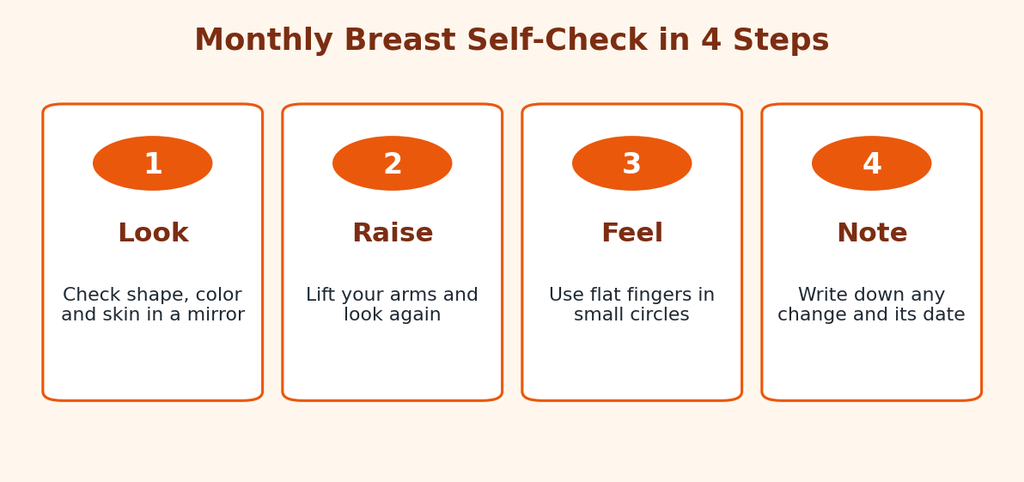
Figure 2: A simple monthly self-check routine.
Skin Texture Changes: Dryness, Scaling, and Itching
Because the nipple is skin, it suffers from skin problems. Dry, flaky, or itchy nipples are among the most common complaints and usually have simple causes.
Friction and irritation
Runners, cyclists, and gym-goers often develop sore, cracked, or even bleeding nipples from rubbing against clothing. Tight or rough fabrics, new detergents, fragranced soaps, and lotions can all irritate sensitive skin. Switching to soft cotton, using a sports bra that fits properly, and applying a fragrance-free emollient or petroleum jelly before exercise often solves the problem.
Eczema and dermatitis
Eczema can affect both nipples, causing redness, dryness, and itching. It often occurs in people who have eczema elsewhere on the body. It typically improves with moisturizers and a short course of a mild steroid cream prescribed by a doctor.
Fungal infections
Yeast (thrush) can cause shiny, pink, or flaky nipples with burning pain, particularly in breastfeeding. Both mother and baby may need treatment at the same time.
Paget disease of the breast
This is rare, but it is the reason a persistent scaly nipple must never be ignored. Paget disease causes a crusted, scaly, itchy, or oozing rash on the nipple and areola, usually on one side, and can be linked to an underlying breast cancer. It may be mistaken for eczema, but unlike eczema it does not clear up properly with treatment. Any rash on one nipple lasting more than a few weeks should be assessed.
Nipple Discharge: Types, Causes, and What Is Worrying
Nipple discharge sounds alarming, but it is quite common and in most cases not caused by cancer. Still, the type of discharge matters, so it is worth understanding the differences.
Milky discharge (galactorrhea)
A milky discharge from both nipples in someone who is not pregnant or breastfeeding is called galactorrhea. It is often related to raised prolactin, which may be caused by certain medicines, thyroid problems, or a small, benign pituitary growth. A doctor can check your hormone levels with a blood test.
Clear, yellow, green, or brown discharge
Discharge from multiple ducts on both sides is often physiologic, which means it is a normal response to stimulation, such as squeezing the nipple. Green or brown fluid is often related to fibrocystic breast changes or duct widening, which are benign. Squeezing your nipples repeatedly can keep the discharge going, so try not to check too often.
Bloody discharge
Blood-stained fluid should always be investigated. In most cases, it comes from a small, benign growth called an intraductal papilloma, but it can occasionally signal cancer, so it needs prompt assessment.
Features that raise concern
- Discharge from only one breast and one duct
- Fluid that appears without squeezing, such as staining your bra or nightclothes
- Blood-stained or clear, watery fluid
- Discharge together with a lump, skin change, or nipple inversion
What a doctor may do
Your doctor will examine your breasts, ask about medicines and your menstrual history, and may arrange imaging such as an ultrasound or mammogram. Blood tests for prolactin and thyroid function may be requested. Sometimes the fluid is tested, and a ductogram or small procedure may be used to find the source.
Nipple Pain and Sensitivity
Nipple pain has many everyday causes and is rarely serious on its own.
- Hormonal cycles: Tenderness before periods, during pregnancy, or with hormonal medicines.
- Breastfeeding: Latch problems, thrush, tongue-tie in the baby, or mastitis.
- Friction: Sports, tight bras, or rough fabric.
- Skin conditions: Eczema, dermatitis, or allergic reactions.
- Medicines: Some antidepressants, hormone therapies, and heart medicines can cause breast and nipple tenderness.
- Referred pain: Sometimes chest wall or muscle pain feels as if it comes from the breast.
Pain on its own is less likely to be cancer than a painless lump or change, but persistent one-sided pain that does not settle should still be discussed with a healthcare provider.
Lumps, Bumps, and Spots Around the Nipple
Montgomery glands
These small, dome-shaped bumps on the areola are normal. They can become larger and more visible during pregnancy and may occasionally block, forming a small, tender bump that clears on its own.
Pimples, cysts, and ingrown hairs
Like any area with hair follicles and oil glands, the areola can develop pimples, ingrown hairs, or small cysts. Avoid squeezing them, as this may cause infection. Warm compresses usually help.
Lumps behind the nipple
A lump felt under or near the nipple may be a benign cyst, a fibroadenoma, a papilloma, or an abscess. Because cancer can also appear as a lump, any new or growing lump should be checked, even if it does not hurt.
Infections and Breastfeeding Problems
Infections are one of the most common medical reasons for nipple changes, especially in new mothers.
Mastitis
Mastitis is inflammation of breast tissue, sometimes with infection. It causes a red, hot, swollen, painful area, often with fever and flu-like symptoms. Prompt treatment, continued milk removal, rest, and sometimes antibiotics are needed. See a doctor if symptoms last more than a day or two or you feel unwell.
Thrush
Candida infection leads to burning pain during and after feeds, with pink, shiny, or flaky nipples. It requires antifungal treatment and treating the baby simultaneously to prevent passing it back and forth.
Cracked nipples
Cracks are usually caused by a shallow latch. Getting positioning help from a midwife or lactation consultant, along with purified lanolin or expressed milk applied after feeds, can help healing.
Abscess
A painful, firm lump that does not improve after mastitis treatment may be an abscess, which usually needs drainage and medical care.
Medicines and Medical Conditions That Affect the Nipples
Sometimes nipple changes have nothing to do with the breast itself.
- Medicines: Some antipsychotics, antidepressants, metoclopramide (for nausea), certain blood pressure medicines, and hormonal treatments can raise prolactin and cause discharge or tenderness.
- Thyroid disease: An underactive thyroid can raise prolactin and cause milky discharge.
- Pituitary conditions: A small prolactin-producing growth called a prolactinoma may cause discharge, irregular periods, and sometimes headaches.
- Kidney or liver disease: These can change hormone levels and affect breast tissue.
- Chest injury or surgery: Scarring may alter nipple position and sensation.
If you recently began a new medicine and noticed nipple changes soon after, tell your prescriber. Do not stop essential medicines on your own.
Nipples in Men: Do the Same Rules Apply?
Yes. Men have breast tissue and nipples, and men can develop breast conditions, including breast cancer, although it is much less common. Many men notice swelling or tenderness behind the nipples at some point, a condition called gynecomastia. It is often linked to hormonal shifts at puberty or older age, weight gain, certain medicines, alcohol, or liver and thyroid problems.
Men should see a doctor for a hard lump, bloody discharge, a nipple that turns inward, skin dimpling, or a persistent sore on the nipple. Because many men do not expect breast disease, they sometimes delay getting checked. Early assessment makes treatment simpler.
Breast Cancer: The Nipple Signs You Should Know
Most nipple changes are not cancer. But because early detection saves lives, it is important to know the signs that point toward it. According to major health organizations such as the World Health Organization and the National Cancer Institute, breast cancer is one of the most common cancers worldwide, and finding it early greatly improves the chances of successful treatment.
Warning signs affecting the nipple
- A nipple that newly turns inward
- Bloody or clear, spontaneous discharge from one nipple
- A scaly, crusted, or ulcerated nipple that does not heal
- Redness or thickening of the nipple or areola
- A lump behind or near the nipple
Warning signs around the breast
- A new lump or thickened area in the breast or armpit
- Dimpling or puckering of the skin, like an orange peel
- A change in the size or shape of the breast
- Persistent swelling or redness of the breast
- New, persistent pain in one area
Having one of these signs does not mean you have cancer. Many are caused by benign conditions. But they are all reasons to book an appointment, rather than wait and see.
Screening matters
Self-awareness is only one layer of protection. Screening tests such as clinical breast exams and mammograms help find cancers before symptoms appear. The right age to begin and the right interval depend on your country, family history, and personal risk, so ask your doctor what suits you. The CDC breast cancer resources offer plain-language guidance.
How to Do a Monthly Breast Self-Check
A self-check is about becoming familiar with how your breasts normally look and feel, so you notice changes quickly. It does not replace screening, but it costs nothing and takes about five minutes.
- Pick a regular day. For those who menstruate, a few days after your period ends is ideal, when breasts are least tender. After menopause, choose a date such as the first of each month.
- Look in a mirror. With arms at your sides, then raised overhead, look for changes in size, shape, color, skin texture, or nipple position.
- Check the nipples. Look for inversion, discharge, scaling, or redness.
- Feel with the pads of your fingers. Use the flat of three fingers and make small circles, covering the entire breast from collarbone to bra line and from armpit to the center of the chest. Use light, medium, and firm pressure.
- Check lying down. Place a pillow under your shoulder, which spreads breast tissue evenly and makes lumps easier to feel.
- Write it down. If you find something new, note the date and location, and book an appointment.
Do not squeeze the nipple to check for discharge. Squeezing can cause fluid to appear in normal breasts and lead to unnecessary worry.
When Should You See a Doctor?
Book an appointment promptly if you notice any of the following:
- A nipple that has recently turned inward
- Bloody discharge, or any discharge from one breast that appears on its own
- A rash, crust, or sore on one nipple that lasts more than two to three weeks
- A new lump, thickening, or area that feels different from the rest
- Dimpling, swelling, or redness of the breast skin
- Nipple pain that is severe, one-sided, or does not settle
- Fever with a hot, red, painful breast
Seek urgent care if you have a rapidly spreading red area, high fever, or severe pain, especially while breastfeeding.
What to expect at the appointment
A doctor will ask when the change began, whether it comes and goes, your menstrual and pregnancy history, medicines, and family history of breast or ovarian cancer. They will examine both breasts and underarms. Depending on your age and findings, they may order an ultrasound, a mammogram, blood tests, or refer you to a breast clinic. Remember that most investigations end in reassurance.
Questions worth asking
- What do you think is causing this change?
- Do I need imaging or any other tests?
- Should I change or stop any of my medicines?
- How often should I be screened going forward?
- What signs should make me come back sooner?
Everyday Nipple Care Tips
- Wear soft, breathable fabrics and a well-fitting bra, especially for exercise.
- Use fragrance-free soap and avoid harsh scrubbing.
- Apply a gentle emollient to dry or chafed skin.
- Change out of sweaty clothes quickly to prevent irritation and fungal growth.
- Avoid squeezing or picking at bumps.
- If breastfeeding, ask for latch support early.
- Stay hydrated and eat a balanced diet. Our guide to healthy breakfast ideas shows simple ways to add protein, fiber, and healthy fats.
- Keep a regular sleep routine, since sleep and stress both influence hormones.
Lifestyle Factors That Influence Breast and Nipple Health
While you cannot control every cause of nipple change, some everyday habits support overall breast health and general wellbeing.
- Maintain a healthy weight. Extra body fat after menopause is linked with a higher risk of breast cancer.
- Be active. Regular exercise supports hormone balance, mood, and weight management.
- Limit alcohol. Higher alcohol intake is associated with increased breast cancer risk.
- Do not smoke. Smoking affects blood circulation and general health, and it can slow healing.
- Breastfeed if you can. Breastfeeding is linked with lower breast cancer risk for many women, though it is a personal choice and not always possible.
- Know your family history. If close relatives had breast or ovarian cancer, tell your doctor, who may suggest earlier or additional screening or genetic counseling.
The Emotional Side: Dealing With Worry
Finding a change in your body can be frightening. Many people delay seeing a doctor out of fear, embarrassment, or the hope that it will go away on its own. It is worth remembering that the vast majority of breast and nipple changes are benign, and that early evaluation brings either reassurance or the best chance of successful treatment.
If you feel anxious, talk to a trusted friend or family member, write down your questions before the appointment, and consider bringing someone with you. Remember that doctors see these concerns every day and take them seriously. Embarrassment should never stand between you and good care.
Myths About Nipples and Breast Health
Myth: Any nipple discharge means cancer
Most discharge is benign. The pattern, color, and whether it is one-sided and spontaneous are what matter.
Myth: Only women get breast problems
Men have breast tissue as well and can have breast conditions, including cancer.
Myth: Breast pain is a sign of cancer
Pain is rarely the sole symptom of cancer. It is most often hormonal or related to the musculoskeletal system, though persistent unexplained pain should still be checked.
Myth: Underwire bras or antiperspirants cause breast cancer
Large reviews have not shown that bras or antiperspirants cause breast cancer.
Myth: If I have no family history, I am safe
Most women who develop breast cancer have no strong family history. Everyone should remain aware and attend screening.
Myth: Inverted nipples are unhealthy
Lifelong inversion is a normal variation. Only new inversion warrants evaluation.

Figure 3: Keep this checklist in mind when you notice a change.
Frequently Asked Questions
Is it normal for one nipple to be bigger than the other?
Yes. Natural asymmetry is very common. Only a recent change in size or shape needs to be checked.
Why do my nipples hurt before my period?
Hormonal changes during the second half of your cycle cause fluid retention and sensitivity. The pain usually eases as your period begins.
Can stress change my nipples?
Stress does not directly alter nipple structure, but it can disrupt hormones and cycles, which may cause tenderness or irregular breast symptoms.
Can nipple discharge happen without pregnancy?
Yes. Medicines, hormone imbalance, benign duct conditions, and even frequent stimulation can cause it. See a doctor if it is bloody, from one side, or spontaneous.
Do nipple piercings affect health?
Piercings can cause infection, scarring, and discharge. Keep them clean, and see a doctor if you notice redness, pus, or pain.
Are hairy nipples a sign of a hormone problem?
Occasional hairs around the areola are normal. A sudden increase in hair growth, especially with irregular periods or acne, is worth discussing with your doctor, as it can relate to hormonal conditions such as PCOS.
How often should I do a breast self-check?
Once a month is a good routine. The aim is to know what is normal for you.
When should I start breast screening?
Guidelines differ across countries and depend on your risk. Ask your doctor, and do not delay if you have a family history.
Key Takeaways
- Nipples change naturally with hormones, pregnancy, breastfeeding, age, and medicines.
- Most changes are harmless, but a new inversion, bloody or one-sided spontaneous discharge, or a persistent scaly rash needs medical review.
- A monthly self-check helps you learn your own normal.
- Men have nipples and breast tissue too, and the same warning signs apply.
- Screening and early assessment greatly improve outcomes.
Conclusion
Your nipples are not just a cosmetic feature. They are a small window into your hormonal health, your skin, and your breast tissue. In most cases, what you see is simply your body responding to the normal rhythms of life. Still, the ability to tell normal from concerning is a skill that is worth building. Check in with yourself once a month, learn your own baseline, and do not hesitate to ask a doctor when something looks or feels different.
Looking after your body also means understanding how health research works. Read our simple guide on what health science is to see how evidence turns into the advice you rely on, and explore our healthy breakfast ideas to support your hormones and energy through food.
Disclaimer: This content is for information only and is not medical advice. Always consult a qualified healthcare professional about your personal health.
Read More