
Table of Contents
1. Introduction: Why Your Morning Meal Is Worth Getting Right
2. Does Breakfast Really Matter?
3. What Makes a Breakfast Healthy?
4. Quick Healthy Breakfast Ideas (Ready in 10 Minutes or Less)
5. Make-Ahead Breakfasts for the Whole Week
6. High-Protein Breakfast Ideas
7. Vegetarian and Plant-Based Breakfast Ideas
8. Breakfast Ideas for Specific Goals
9. Three Step-by-Step Recipes to Try This Week
10. Breakfast Around the World: Ideas to Borrow
11. Healthy Drinks to Pair With Breakfast
14. Your 7-Day Healthy Breakfast Plan
16. Common Breakfast Mistakes to Avoid
17. Troubleshooting: Common Breakfast Problems and Fixes
18. A Simple Self-Check: Is Your Breakfast Balanced?
19. Breakfast and Your Overall Health
Introduction: Why Your Morning Meal Is Worth Getting Right
Mornings are rarely calm. Alarms, traffic, school runs, and emails all compete for your attention, and breakfast is often the first thing to be skipped or replaced by a sugary snack. Yet what you eat in the first hours of the day can shape your energy, mood, focus, and appetite until lunch. A well-built breakfast does not have to be fancy, expensive, or time-consuming. It simply needs the right mix of nutrients.
This guide gives you more than thirty healthy breakfast ideas, from five-minute options to make-ahead recipes, from high-protein choices to light vegetarian meals. You will learn what makes a breakfast healthy, how to build a balanced plate, how to plan a full week, and how to avoid common mistakes. Everything is practical, affordable, and flexible, so you can adapt it to your own culture, taste, and schedule.
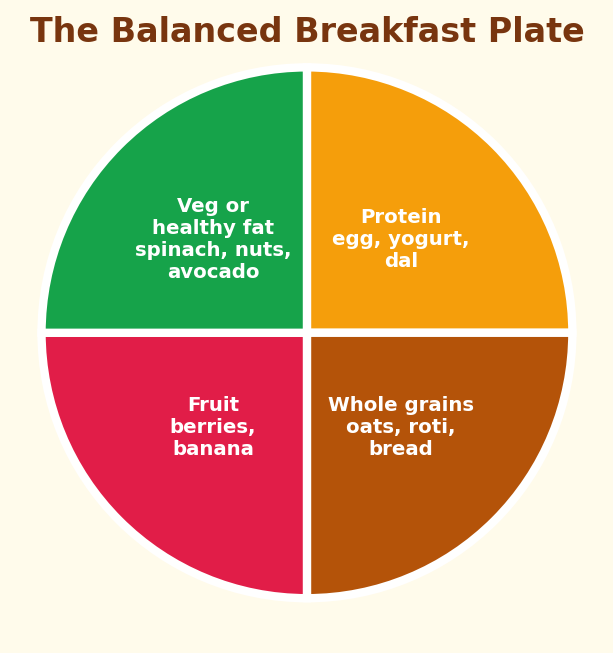
Figure 1: The balanced breakfast plate.
Nutrition is one part of a bigger picture. If you want to understand how researchers decide what counts as healthy eating, read what health science is. And if you are curious about other everyday signals your body gives, our guide on what your nipples say about your health explains normal changes and warning signs.
Note: This article is general nutrition information and not medical advice. If you have diabetes, allergies, kidney disease, or another condition, ask your doctor or a registered dietitian before making big changes.
Does Breakfast Really Matter?
You may have heard that breakfast is the most important meal of the day. The truth is more nuanced. Research on breakfast is mixed, and some people feel perfectly fine eating later in the morning. Still, for many people, a nutritious breakfast offers real advantages.
Possible benefits of a balanced breakfast
- Steadier energy: Protein and fiber digest slowly, which helps avoid mid-morning crashes.
- Better focus: Children and adults often concentrate better after eating a balanced meal.
- Fewer cravings: A filling breakfast can reduce the urge to snack on sweets before lunch.
- Better nutrition overall: People who eat breakfast often get more fiber, calcium, and vitamins across the day.
- Support for routines: For people managing blood sugar or taking certain medicines with food, breakfast timing can be important.
What about intermittent fasting or skipping breakfast?
Some people prefer to eat later and do well with it. The key is not the clock but the quality of what you eat across the whole day. If you skip breakfast, make sure your first meal is balanced and that you are not overeating later. If you feel dizzy, irritable, or unable to concentrate, breakfast may suit you better. People with diabetes, pregnant women, children, and anyone on medicines should seek personal advice.
What Makes a Breakfast Healthy?
A healthy breakfast is not defined by a single food. It is defined by balance. Here are the building blocks, in order of importance for most people. The Harvard Nutrition Source and the World Health Organization both emphasize varied, mostly unprocessed foods as the basis of a healthy diet.
1. Protein
Protein helps you feel full and supports muscle repair. Good breakfast sources include eggs, Greek yogurt, cottage cheese, milk, lentils and chickpeas, tofu, nuts, and seeds. Many adults do well with roughly 15 to 25 grams at breakfast, though needs vary.
2. Fiber
Fiber slows digestion, supports gut health, and helps control blood sugar. Find it in oats, whole-grain bread, whole wheat flatbread, fruit, vegetables, beans, chia, and flax.
3. Healthy fats
Unsaturated fats from nuts, seeds, avocado, and olive oil add flavor and satisfaction. A small handful of nuts or a spoon of nut butter is usually enough.
4. Smart carbohydrates
Carbohydrates are your body’s main fuel. Choose whole or minimally processed sources such as oats, whole wheat, millet, fruit, and sweet potato rather than refined, sugary options.
5. Fruits and vegetables
Adding fruit or vegetables at breakfast is an easy way to reach your daily total. Berries, bananas, oranges, apples, spinach, tomatoes, peppers, and onions all work well.
6. Limited added sugar
Many cereals, flavored yogurts, pastries, and juices contain a lot of added sugar, which can lead to a quick energy spike and then a crash. Check labels and choose plain versions you can sweeten lightly with fruit.
The simple formula
A reliable rule of thumb is: protein + fiber + a little healthy fat + fruit or vegetable. If your breakfast includes most of these, it is likely a good one.
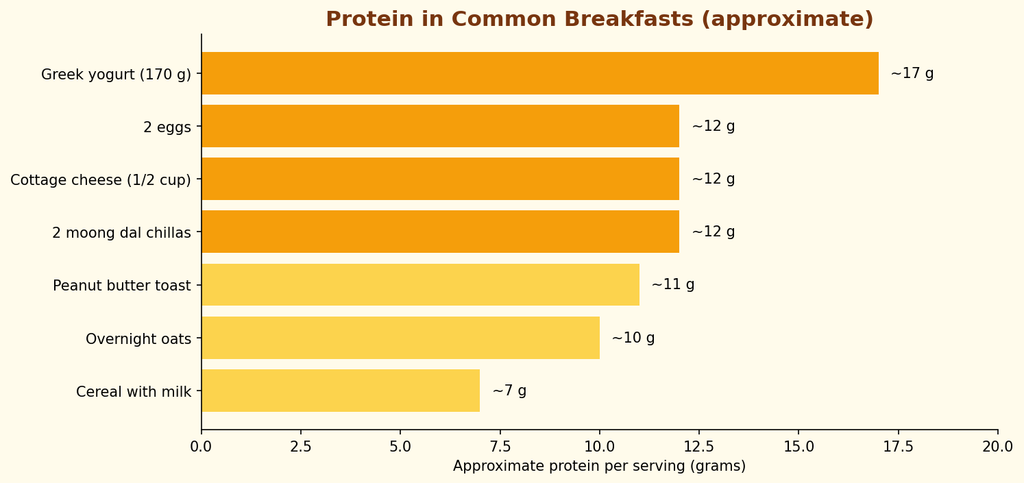
Figure 2: Approximate protein in common breakfasts. Values vary by brand and portion.
Quick Healthy Breakfast Ideas (Ready in 10 Minutes or Less)
These ideas are perfect for rushed mornings. Most need little or no cooking.
1. Greek yogurt parfait
Layer plain Greek yogurt with berries or chopped fruit and a spoon of nuts or seeds. It delivers protein, calcium, and fiber in about three minutes. Choose plain yogurt and add a drizzle of honey only if needed.
2. Peanut butter banana toast
Spread natural peanut butter on whole-grain toast and top with banana slices and a sprinkle of cinnamon. It is filling, portable, and inexpensive.
3. Avocado toast with egg
Mash half an avocado on whole-grain toast, season with salt, pepper, and lemon, and top with a boiled or fried egg. Add tomato slices for extra freshness.
4. Cottage cheese with fruit
Half a cup of cottage cheese with pineapple, peaches, or berries is a high-protein breakfast that needs no cooking at all.
5. Banana oat smoothie
Blend a banana, a handful of oats, a cup of milk or plant milk, a spoon of peanut butter, and ice. Add spinach if you like. Drink it with a boiled egg for extra protein.
6. Scrambled eggs with vegetables
Whisk two eggs and cook with chopped tomato, onion, and spinach in a little oil. Serve with a slice of whole-grain toast.
7. Fruit and nut bowl
Combine sliced apple, orange segments, a handful of almonds, and a spoon of yogurt. Simple and refreshing.
8. Whole-grain wrap
Fill a whole wheat wrap with scrambled egg or hummus, cucumber, and tomato. Roll it and eat it on the move.
Make-Ahead Breakfasts for the Whole Week
If mornings are your biggest struggle, spend thirty minutes on the weekend preparing breakfasts in advance.
9. Overnight oats
Overnight oats are a favorite because they need no cooking and can be customized endlessly.
- In a jar, combine half a cup of rolled oats, half a cup of milk or plant milk, and a quarter cup of plain yogurt.
- Add one tablespoon of chia seeds and half a teaspoon of cinnamon.
- Stir, cover, and refrigerate for at least four hours or overnight.
- In the morning, top with berries, sliced banana, or chopped nuts.
Variations include apple cinnamon, mango and coconut, cocoa and banana, or peanut butter and berry.
10. Egg muffin cups
Whisk eight eggs with chopped peppers, onion, spinach, and a little cheese. Pour into a greased muffin tray and bake at 180 degrees Celsius for about 18 to 20 minutes. Cool, store in the fridge for up to four days, and reheat in the microwave. Each cup is a compact serving of protein.
11. Chia pudding
Mix three tablespoons of chia seeds with one cup of milk, stir well, and chill for at least four hours. Top with mango, berries, or a spoon of coconut.
12. Baked oatmeal
Combine oats, mashed banana, milk, an egg, cinnamon, and a handful of berries. Bake until set, cut into squares, and refrigerate. Reheat for a warm, hearty start to the day.
13. Breakfast burritos for the freezer
Fill whole wheat tortillas with scrambled eggs, black beans, vegetables, and a little cheese. Wrap tightly and freeze. Microwave for one to two minutes in the morning.
14. Homemade granola or muesli jars
Toast oats, nuts, and seeds with a small amount of honey and cinnamon. Store in a jar and serve with yogurt and fruit. Making it yourself lets you control the sugar.
15. Hard-boiled eggs
Boil a batch at the start of the week. Pair two eggs with a piece of fruit and a slice of toast for a quick, balanced plate.
High-Protein Breakfast Ideas
If you want to stay full for longer, build your breakfast around protein.
16. Moong dal chilla
Soak yellow moong dal for a few hours, blend with ginger, green chili, and cumin, and cook thin pancakes on a non-stick pan. Fill with onion, tomato, and a little paneer or serve with mint chutney. This light, traditional breakfast is rich in plant protein.
17. Besan (chickpea flour) omelet
Mix besan with water, chopped onion, tomato, coriander, turmeric, and salt, and cook like a pancake. It is a good option for vegetarians and a tasty change from eggs.
18. Egg and vegetable bhurji
Scramble eggs with onion, tomato, green chili, and spices. Serve with a whole wheat roti for a balanced, filling meal.
19. Paneer or tofu scramble
Crumble paneer or tofu into a pan with turmeric, cumin, and vegetables. Serve on toast or inside a wrap.
20. Sprouts salad
Mix moong or chickpea sprouts with cucumber, tomato, lemon juice, and a pinch of chaat masala. It is high in fiber and protein, and refreshing in hot weather.
21. Greek yogurt with seeds and berries
Plain Greek yogurt can offer about 15 to 20 grams of protein per serving. Add pumpkin seeds and berries for crunch and antioxidants.
22. Smoked salmon or tuna on whole-grain toast
Top toast with a thin spread of cream cheese or avocado, then fish, cucumber, and a squeeze of lemon. A good source of protein and omega-3 fats.
Vegetarian and Plant-Based Breakfast Ideas
23. Vegetable poha
Rinse flattened rice, then cook with onion, peas, carrot, mustard seeds, curry leaves, and turmeric. Add peanuts for crunch and protein, and a squeeze of lemon. Poha is light and easy on digestion.
24. Vegetable upma or daliya
Cracked wheat (daliya) or semolina cooked with vegetables makes a warming, fiber-rich breakfast. Choose cracked wheat for extra fiber.
25. Whole wheat paratha with vegetables
Stuff a whole wheat paratha with spinach, grated carrot, or lightly spiced potato, and cook with minimal oil. Serve with plain yogurt for protein and probiotics.
26. Idli or dosa with sambar
Fermented rice and lentil batter gives a light breakfast, and sambar adds lentils and vegetables for fiber and protein.
27. Tofu or chickpea breakfast bowl
Combine roasted chickpeas or tofu with quinoa, spinach, tomato, and tahini dressing.
28. Smoothie bowl
Blend frozen fruit with a little yogurt or plant milk until thick, pour into a bowl, and top with seeds, nuts, and sliced fruit. Use a thick base so it keeps you full.
Breakfast Ideas for Specific Goals
Healthy breakfast for weight management
Focus on protein, fiber, and water-rich foods to keep you full on fewer calories. Good choices include egg and vegetable scramble, Greek yogurt with berries, oats with chia, and moong chilla. Avoid liquid calories like sweetened juices, and pay attention to portion sizes of nuts, oils, and spreads. Sustainable habits matter more than extreme restrictions.
Breakfast for stable blood sugar
Pair carbohydrates with protein and fiber. For example, choose oats with nuts and yogurt rather than plain white bread and jam. Include non-starchy vegetables when possible. If you have diabetes, follow your own care team’s plan.
Breakfast for kids and teenagers
Children need steady energy for school. Try peanut butter toast with fruit, whole-grain pancakes with yogurt, egg wraps, or oatmeal with banana. Involve children in choosing and preparing meals, and keep sugary cereals as occasional treats. Check for allergies before offering nuts.
Breakfast for athletes and active people
Active people benefit from a mix of carbohydrates and protein. Oatmeal with milk and banana, eggs with toast, or a yogurt and fruit bowl with granola can fuel training and support recovery.
Breakfast on a budget
Some of the cheapest breakfast foods are also among the healthiest. Oats, eggs, lentils, seasonal fruit, bananas, whole wheat flour, and plain yogurt are all inexpensive. Buying in bulk, cooking at home, and choosing seasonal produce keep costs low.
Breakfast during pregnancy and breastfeeding
Nutrient needs are higher, so breakfasts with protein, iron, calcium, and folate matter. Examples include eggs, fortified whole grains, dairy or fortified alternatives, lentils, and green leafy vegetables. Pregnant women should follow food safety advice, such as fully cooking eggs, and talk with their healthcare provider about supplements.
Three Step-by-Step Recipes to Try This Week
Recipe 1: Protein-Packed Veggie Egg Scramble (Serves 1, 10 minutes)
Ingredients: 2 eggs, a handful of fresh spinach, half a chopped tomato, 2 tablespoons chopped onion, 1 teaspoon oil, salt, black pepper, and 1 slice of whole-grain toast.
- Heat the oil in a non-stick pan over medium heat and soften the onion for one minute.
- Add the tomato and spinach and cook until the spinach wilts.
- Beat the eggs with salt and pepper, pour them into the pan, and stir gently until just set.
- Serve immediately with the toast and a piece of fruit.
Why it works: About 12 to 14 grams of protein, plus fiber and vitamins from the vegetables and bread.
Recipe 2: Creamy Peanut Butter Overnight Oats (Serves 1, 5 minutes plus chilling)
Ingredients: half a cup of rolled oats, half a cup of milk, 3 tablespoons of plain yogurt, 1 tablespoon of natural peanut butter, 1 teaspoon of chia seeds, half a sliced banana.
- Whisk the peanut butter into the milk until smooth.
- Stir in the oats, yogurt, and chia seeds.
- Cover and refrigerate overnight.
- Top with banana slices in the morning and add a splash of milk if it is too thick.
Why it works: Whole grains, protein, and healthy fats together keep you satisfied for hours.
Recipe 3: Quick Moong Dal Chilla (Serves 2, 20 minutes plus soaking)
Ingredients: 1 cup of yellow moong dal soaked for 3 to 4 hours, 1 small piece of ginger, 1 green chili, half a teaspoon of cumin, salt, a little chopped onion and coriander, and oil for the pan.
- Drain the soaked dal and blend with ginger, chili, cumin, salt, and a little water into a smooth, pourable batter.
- Stir in the onion and coriander.
- Heat a non-stick pan and spread a ladle of batter into a thin circle.
- Cook for two minutes, flip, and cook for another minute until golden.
- Serve with mint chutney or plain yogurt.
Why it works: A traditional breakfast with plant protein and fiber, and it is naturally gluten-free.
Breakfast Around the World: Ideas to Borrow
Every culture has its own balanced breakfasts, and many follow the same principles of protein, whole grains, and fresh produce. Borrowing from different traditions can keep your mornings interesting.
- Mediterranean: Whole-grain bread with olive oil, tomatoes, olives, cheese, and fruit.
- Japanese: Rice, grilled fish, miso soup, and pickled vegetables.
- Middle Eastern: Foul (fava beans), hummus, labneh, cucumber, and flatbread.
- South Asian: Poha, upma, chilla, idli, paratha with yogurt, or eggs with roti.
- Latin American: Eggs with beans, avocado, and corn tortillas.
- Nordic: Porridge, rye bread, yogurt, and berries.
Healthy Drinks to Pair With Breakfast
What you drink matters as much as what you eat. Water, plain milk or fortified plant milk, unsweetened lassi, and moderate tea or coffee are all good choices. Fresh fruit is better than juice, but if you do enjoy juice, keep the portion small. Many bottled drinks and flavored coffees contain a surprising amount of sugar, so check the label.
Starting your day with a glass of water is a simple habit. After a night without fluids, many people are slightly dehydrated, and water can help you feel more alert.
Seasonal Breakfast Tips
- Summer: Cool, light meals such as chilled overnight oats, fruit and yogurt bowls, sprout salads, and smoothies help in the heat.
- Winter: Warm bowls of porridge, daliya, vegetable upma, or egg dishes bring comfort and energy.
- Monsoon: Choose freshly cooked meals, wash fruit and vegetables carefully, and be cautious with raw street food.
- Ramadan or fasting periods: Focus on slow-digesting foods at pre-dawn meals, such as oats, eggs, yogurt, dates, and plenty of water, and ask a health professional if you have a medical condition.
How to Build the Habit
Knowing what to eat is only half the challenge. The other half is making it automatic. Here are practical tips to turn good intentions into routines.
- Start with one change. Replace a sugary breakfast with one of the quick ideas above, rather than overhauling everything.
- Prepare the night before. Put oats in a jar, boil eggs, or lay out ingredients.
- Keep staples visible. Place fruit on the counter and nuts within reach.
- Plan for busy days. Keep a banana and a pack of nuts in your bag.
- Eat with others. Family breakfasts make healthy eating more enjoyable and set a good example for children.
- Be flexible. One imperfect breakfast does not undo your progress.
Your 7-Day Healthy Breakfast Plan
Use this sample plan as a starting point. Swap items freely according to taste, culture, and what is in season.
- Monday: Overnight oats with berries and chia seeds.
- Tuesday: Scrambled eggs with spinach and tomato, plus whole-grain toast.
- Wednesday: Greek yogurt parfait with nuts and sliced apple.
- Thursday: Moong dal chilla with mint chutney and a piece of fruit.
- Friday: Avocado toast with a boiled egg and orange segments.
- Saturday: Vegetable poha with peanuts and a glass of milk or lassi without added sugar.
- Sunday: Whole wheat vegetable paratha with plain yogurt and fruit.
Shopping list basics
- Rolled oats, whole wheat bread or flour, millet or cracked wheat
- Eggs, plain yogurt, milk, paneer or tofu
- Lentils, chickpeas, moong, besan
- Seasonal fruit: bananas, apples, oranges, berries
- Vegetables: spinach, tomato, onion, peppers, cucumber, carrots
- Nuts and seeds: almonds, peanuts, chia, flax, pumpkin seeds
- Olive oil or another healthy cooking oil, spices, lemon
Smart Meal-Prep Strategy
Meal prep does not mean cooking every breakfast in advance. It means removing the biggest obstacles before the morning arrives.
- Plan once a week. Choose three or four breakfasts and write down ingredients.
- Shop in one trip. Buy staples in bulk.
- Prep on a calm day. Boil eggs, bake muffin cups, soak lentils, and wash fruit.
- Portion and label. Use containers and jars so grabbing food is effortless.
- Freeze extras. Burritos, pancakes, and muffins freeze well.
- Keep a back-up. Store nuts, oats, and bananas for days when plans fall apart.
Common Breakfast Mistakes to Avoid
- Relying on sugary cereals and pastries. They spike blood sugar and leave you hungry soon after.
- Drinking only juice. Juice lacks the fiber and protein of whole fruit.
- Skipping protein. Carbohydrate-only meals often lead to quick hunger.
- Choosing flavored yogurts without checking labels. Some contain as much sugar as dessert.
- Eating too fast. Slowing down helps you notice fullness.
- Overloading on oil or butter. Healthy meals can become heavy if too much fat is added.
- Believing that all packaged health foods are healthy. Always read the ingredient list and nutrition panel.
How to read a breakfast label
Look at serving size first, then check added sugar, fiber, and protein. A good cereal or granola usually has several grams of fiber and little added sugar. Short ingredient lists with recognizable foods are generally better than long lists of additives.
Troubleshooting: Common Breakfast Problems and Fixes
“I am not hungry in the morning.”
Start small. A yogurt, a banana, or a handful of nuts is enough. Appetite often adjusts after a week or two of regular eating. Also check that your evening meal is not too late or too heavy.
“I feel hungry again by 10 a.m.”
Your breakfast is probably low in protein and fiber. Add an egg, yogurt, nuts, or beans, and swap refined bread or sweet cereal for whole grains.
“I have no time to cook.”
Use the make-ahead ideas in this guide. Overnight oats, boiled eggs, and egg muffin cups take almost no time on the day itself.
“My family wants different things.”
Create a breakfast bar: set out oats, yogurt, fruit, nuts, and seeds, and let everyone build their own bowl. It keeps everyone happy without extra cooking.
“I get bored easily.”
Rotate toppings, spices, and cooking styles. The same oats can become apple cinnamon, mango coconut, or cocoa banana. Try one new idea each week from this list.
“Healthy food feels expensive.”
Focus on staples such as oats, eggs, lentils, bananas, and seasonal produce. Cooking from scratch is almost always cheaper than packaged health foods.
A Simple Self-Check: Is Your Breakfast Balanced?
Before you eat, take ten seconds to answer these questions.
- Does it include a protein source such as eggs, yogurt, dal, tofu, paneer, or nuts?
- Does it include fiber from whole grains, fruit, vegetables, or legumes?
- Is there a small amount of healthy fat?
- Is added sugar low?
- Will it keep me full for three to four hours?
If you can answer yes to most of these, you have built a strong breakfast. If not, make one small adjustment, such as adding a boiled egg or swapping white bread for whole grain.
Breakfast and Your Overall Health
Food is one of the most powerful tools for protecting long-term health. A diet rich in whole grains, fruit, vegetables, legumes, and healthy fats is linked with a lower risk of heart disease, type 2 diabetes, and some cancers, according to major health agencies such as the CDC. Eating well also supports hormones, skin health, mood, and sleep.
Good nutrition is only part of prevention. Staying active, sleeping well, not smoking, and attending health screenings all matter. For example, regular breast self-checks and screening support early detection of problems, which you can read about in what your nipples say about your health. The evidence behind these recommendations comes from the field described in what is health science.
Myths About Breakfast
Myth: Breakfast boosts metabolism dramatically
Eating breakfast does not magically speed up metabolism. Total daily intake and quality matter more than meal timing.
Myth: Skipping breakfast always causes weight gain
Studies are mixed. Some people who skip breakfast overeat later, while others manage well. Personal preference and overall diet are most important.
Myth: Cereal is always a healthy choice
Some cereals are high in fiber and low in sugar, but many are essentially sweets. Read labels carefully.
Myth: Eggs are bad for the heart
For most healthy people, moderate egg intake is considered acceptable as part of a balanced diet. People with specific conditions should follow personal medical advice.
Myth: Fruit juice counts as fruit
Juice lacks most of the fiber of whole fruit and is easy to overconsume. Whole fruit is a better choice.
Myth: Breakfast has to be a big meal
A small, balanced breakfast is better than an oversized, unhealthy one. Listen to hunger and fullness cues.
Frequently Asked Questions
What is the healthiest breakfast?
There is no single best option. The healthiest breakfast combines protein, fiber, healthy fat, and fruit or vegetables, and fits your tastes and needs.
What is a good quick breakfast for work?
Greek yogurt with fruit, a peanut butter toast, hard-boiled eggs with fruit, or overnight oats are all easy to prepare and carry.
How much protein should I eat at breakfast?
Many adults aim for roughly 15 to 25 grams, but individual needs depend on body size, activity level, and health conditions.
Can I eat rice or roti for breakfast?
Yes, as part of a balanced meal with vegetables and protein such as lentils, eggs, or yogurt. Choose whole grains when possible.
Are smoothies a healthy breakfast?
They can be, if made with whole fruit, vegetables, a protein source such as yogurt, and no added sugar. Avoid recipes that are mostly juice or sweetened syrups.
What can I eat for breakfast if I have no time?
Keep fast options at home: bananas, boiled eggs, nuts, yogurt, and whole-grain bread. A banana with a handful of almonds takes less than a minute.
Is oatmeal good every day?
Oats are a nutritious choice for many people. Vary toppings and grains to get a wider range of nutrients.
Which breakfast is best for weight loss?
Meals high in protein and fiber, like egg and vegetable scrambles or yogurt with berries, help you feel full. The overall pattern of your diet matters most.
What should children eat before school?
A mix of whole grains, protein, and fruit, such as oatmeal with banana or an egg sandwich on whole-grain bread, helps maintain concentration.
Can I drink tea or coffee with breakfast?
Moderate amounts are fine for most adults. Try to limit added sugar, and be aware that very strong tea or coffee with meals can reduce iron absorption in some people.
Key Takeaways
- A healthy breakfast combines protein, fiber, healthy fats, and fruit or vegetables.
- Quick options such as yogurt parfaits, toast with eggs or nut butter, and overnight oats work well for busy mornings.
- Meal prep removes the biggest obstacle: time.
- Limit added sugar and highly processed foods.
- Adapt the ideas to your culture, budget, and health needs.
Conclusion
A healthy breakfast does not require expensive ingredients or hours in the kitchen. It requires a little planning and a basic understanding of balance. Start small: choose two or three ideas from this guide, prepare them for the week, and see how you feel. Over time, those small, repeatable choices build into habits that support your energy, your health, and your family.
Keep learning about health from reliable sources. Discover how scientific evidence shapes nutrition advice in what is health science, and learn to listen to your body with our guide to what your nipples say about your health.
Disclaimer: This content is for information only and is not medical or dietary advice. Please consult a doctor or registered dietitian for personal guidance.
2 thoughts on “Healthy Breakfast Ideas: 30+ Quick, Balanced Recipes for Busy Mornings”
Comments are closed.